
Does Your Small Business Need to Worry About IT Compliance in Canada?
A practical guide to help Canadian business owners understand when compliance may matter, what rules could apply, and how to think through the next step calmly.
Start with the question, not the panic
Many small business owners hear the term IT compliance and assume it mainly affects large organizations. In reality, the situation is often more nuanced. Some businesses face clear obligations because of the information they collect or the way they process payments.
Others mainly need sensible internal practices for handling information responsibly. In Canada, privacy rules such as the Personal Information Protection and Electronic Documents Act (PIPEDA) shape how organizations collect, use, and protect personal information during commercial activity.
Client expectations, industry standards, or vendor requirements can also influence how a business approaches data protection.
This guide looks at when compliance tends to matter most, when the situation may remain relatively simple, and how to think through your own circumstances before deciding whether to adjust internal practices or explore additional support.
- What IT compliance usually means in a small business setting
- Situations where Canadian privacy and data rules may apply
- Practical ways businesses often approach compliance decisions
Why IT compliance can feel unclear for many small businesses
Business owners often hear about compliance requirements without clear context. In practice, the impact usually depends on what information the business collects, how it is handled, and what clients, partners, or regulations expect.
When compliance tends to matter more
Compliance questions often become more relevant when a business regularly handles personal or financial information.
In Canada, federal privacy law requires organizations engaged in commercial activity to obtain consent when collecting personal information, explain how it will be used, and protect it with appropriate safeguards.
These expectations influence how many companies organize their internal data practices. Certain activities can introduce additional expectations. Businesses that process credit card payments, for example, are expected to follow security standards designed to protect cardholder data.
Privacy obligations may also be shaped by provincial legislation or by requirements from clients and partners. In some situations, compliance issues appear during routine business relationships.
Organizations may review security practices before entering a contract and ask how systems are protected, how devices are managed, or how sensitive information is handled.
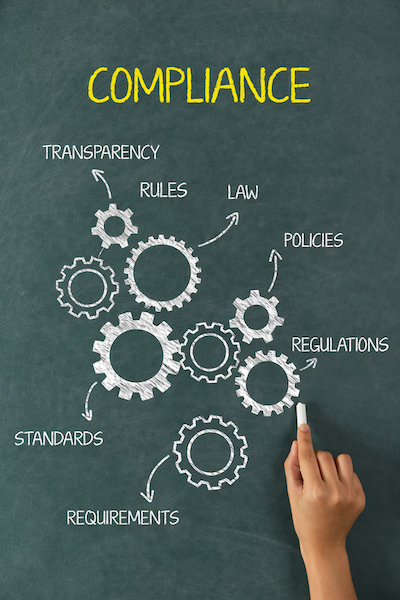
Written policies help explain how a business intends to manage data, while technical controls show how those policies are applied in day-to-day operations.
When the situation might be simpler
Situations where requirements may be limited
For some small businesses, compliance responsibilities remain fairly straightforward. The level of effort often depends on the kind of information collected and how central that information is to daily operations.
- The business collects only basic customer contact information
- Most information is stored in established software platforms with built-in security controls
- Payment processing is handled through third-party services rather than internal systems
- Customer data is used mainly for routine operational tasks
In situations like these, the focus may simply be documenting policies, confirming staff understand how information should be handled, and making sure basic safeguards are in place.
Situations where complexity may increase
Compliance considerations can grow as a business expands or begins handling more sensitive information. The underlying principles remain similar, but additional structure may become helpful.
- The organization stores larger amounts of personal or client information
- Employees access company systems from multiple locations or personal devices
- Clients or partners request proof of security practices before working together
- Company information is distributed across several systems or cloud services
At this stage, some businesses review their policies more carefully, strengthen technical safeguards, or seek outside advice. Others continue managing compliance internally while improving processes gradually.
Common expectations around protecting information
Across many regulations and standards, the pattern is similar: understand what information the business collects, describe how it should be handled, and apply safeguards that reduce the risk of misuse or unauthorized access.
Three parts of a workable approach
1. Understand what information you hold
A useful starting point is understanding what types of personal or operational information your business collects and where that information is stored. Privacy rules often focus on how organizations collect, use, and disclose personal information in commercial activity.
- Identify the types of personal or client data collected
- Map where that information is stored
- Review which roles inside the business can access it
2. Document how information should be handled
Many organizations create written guidelines that explain how employees should use systems and manage data. These policies often address device use, password practices, onboarding and offboarding procedures, and acceptable technology use.
- Privacy or information security policies
- Employee onboarding and offboarding procedures
- Acceptable use rules for company systems
- Steps for responding to possible data breaches
3. Apply safeguards that support those policies
Written policies describe expectations, but they usually work best when supported by practical safeguards. Many organizations rely on access controls, encryption, and monitoring tools that help enforce those policies in everyday operations.
- Restrict access to sensitive data based on job roles
- Use security tools that help protect networks and systems
- Review systems periodically for vulnerabilities
- Train employees so they understand their responsibilities
Many businesses begin by documenting how employees are expected to handle company systems and information. These documents help clarify expectations, but they do not automatically show that security practices are being followed.
When security practices are reviewed, organizations often look for signs that policies are supported by real controls. This might include device management tools, access restrictions, or monitoring systems that help enforce the rules described in company policies.
Quick self-evaluation
This short review can help clarify whether the next step for your business is improving internal processes, monitoring the situation, or exploring additional support.
- List the types of personal or payment information your business collects
- Identify where that information is stored and who can access it
- Check whether your business has written privacy or security policies
- Consider whether security rules are enforced technically or mainly documented
- Review whether partner or vendor requirements influence your data practices
- Check whether provincial privacy rules may apply to your operations
- Confirm that staff understand basic security and data handling expectations
- Decide whether the next step is internal improvements, monitoring changes, or seeking advice
Considering outside support as one option?
If you are weighing internal management against outside assistance, it may help to review the kinds of services available. Exploring options doesn't commit you to any particular approach.
Possible next steps
After reviewing their situation, businesses often choose different paths. The right next step usually depends on the type of information handled, the expectations around it, and the resources already available.
Curious what support options exist locally?
If you want to see how other businesses approach compliance support, you can browse providers in your area and review the services they offer before deciding whether it is relevant for your situation.